
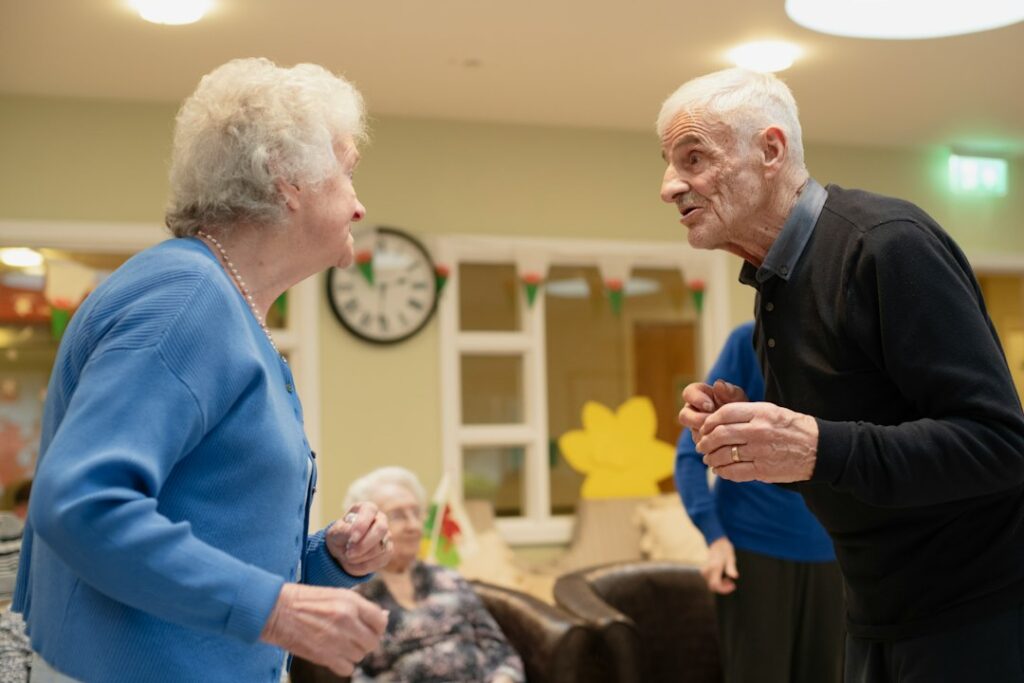
Assisted living can provide a balance between independence and daily support for older adults who no longer feel fully comfortable managing everything alone. For seniors in Lock Haven, PA, it may offer help with personal care, meals, medications, household routines, transportation, and social connection while allowing residents to maintain choice in many parts of daily life.
What does assisted living provide?
Assisted living is residential care for adults who need help with some everyday activities but do not require the continuous medical care provided by a nursing facility. Support is usually arranged around an individual assessment and may change as needs develop.
Common services include:
- Assistance with bathing, dressing, grooming, and toileting
- Help with walking, transferring, or getting around safely
- Medication reminders or medication administration, depending on the resident’s needs
- Regular meals and snacks
- Housekeeping and laundry
- Organized activities and opportunities for social interaction
- Transportation for certain appointments, errands, or community activities
- Staff availability for supervision and routine safety needs
The goal is not to take over every decision. A well-designed assisted living setting helps a person receive support with difficult tasks while preserving privacy, preferences, and as much independence as practical.
How can assisted living improve daily safety?
Safety is one of the clearest benefits for seniors who are experiencing falls, medication mistakes, confusion, or difficulty responding to emergencies. Staff may be available throughout the day and night, depending on the residence and its operating model.
A safer environment may include:
- Better lighting and fewer household obstacles
- Grab bars, handrails, and accessible bathrooms
- Emergency response procedures
- Assistance with transfers and mobility
- Supervision during activities that have become difficult
- Regular meals and hydration support
Local conditions can also influence safety decisions. Seasonal ice, snow, wet surfaces, uneven walkways, and changing river-weather conditions can make errands and outdoor travel more difficult for older adults. Moving from a private home may reduce the need to manage shoveling, stairs, outdoor maintenance, and other tasks that become hazardous.
Assisted living does not eliminate every risk. Families should still ask how the residence handles falls, severe weather, power interruptions, evacuation, and residents who develop greater medical or memory-care needs.
Can assisted living help seniors remain independent?
Yes. Assisted living is not the same as giving up independence. For many residents, receiving help with a few tiring or unsafe tasks makes it possible to continue choosing what to wear, when to eat, which activities to attend, and how to spend personal time.
A senior may be able to prepare a simple snack but need help with a full meal. Another person may manage medications independently but need assistance with bathing or stairs. Services can sometimes be adjusted as abilities change.
Independence may also improve when a person no longer has to spend most of the day handling laundry, home repairs, grocery planning, or transportation. More energy can then be directed toward hobbies, family relationships, rest, and community involvement.
What are the social benefits?
Social isolation can develop gradually after the loss of a spouse, retirement, reduced driving, hearing or mobility changes, or difficulty maintaining a house. Assisted living creates regular opportunities for conversation and participation without requiring a senior to arrange every interaction independently.
Activities may include:
- Shared meals
- Exercise or movement programs
- Games, crafts, music, or educational sessions
- Religious or cultural activities
- Outdoor time and seasonal events
- Small-group conversations
- Visits with family members and friends
Not every resident wants a busy schedule. The social benefit is having accessible choices rather than being alone by default. A quieter resident may prefer a meal with a few neighbors, time in a common room, or occasional activities instead of a full calendar.
How can assisted living support family caregivers?
Assisted living can reduce the pressure placed on family members who have been coordinating meals, transportation, appointments, home maintenance, and personal care. This may be especially helpful when relatives live in different communities or have work and family responsibilities of their own.
Family members may still remain involved by:
- Visiting regularly
- Reviewing care plans and changes in needs
- Helping with personal preferences and important decisions
- Participating in care conferences
- Monitoring communication about health and safety
- Providing emotional support
The benefit is not that family involvement disappears. Instead, responsibilities may become more manageable and less crisis-driven. Family visits can focus more on companionship and less on completing every household task.
Does assisted living provide medical care?
Assisted living provides personal care and supportive services, but it is not the same as a hospital, rehabilitation center, or skilled nursing facility. Pennsylvania distinguishes assisted living residences and personal care homes from nursing facilities, and these settings have different licensing and care requirements.
Some residences can arrange supplemental health services, medication assistance, transportation, or outside medical support. The exact services vary. A senior with complex medical needs should receive a careful assessment before moving.

Questions worth asking include:
- Who assists with medications?
- Is a nurse available on-site, on call, or through an outside service?
- How are changes in health documented and communicated?
- Can the residence support mobility equipment?
- What happens after a hospitalization?
- What conditions would require a move to a higher level of care?
A residence may be appropriate today but not able to meet every future need. Planning for possible changes can prevent rushed decisions later.
How does assisted living compare with remaining at home?
Remaining at home may work well when a senior has reliable support, a safe layout, manageable maintenance needs, and dependable access to meals and transportation. Assisted living may become more useful when home responsibilities are creating safety concerns or exhausting the person and family.
Warning signs that additional support may be needed include:
- Repeated falls or near-falls
- Missed medications
- Spoiled food or poor nutrition
- Unpaid bills or neglected household tasks
- Increasing difficulty bathing or dressing
- Driving concerns
- Frequent loneliness or withdrawal
- Family members providing more care than they can safely sustain
The decision should be based on actual needs rather than age alone. Some older adults benefit from home-based services, adult day programs, family support, or housing modifications instead of assisted living.
What should Lock Haven families evaluate before choosing a setting?
Families should compare actual care practices, not just appearance or activity calendars. A residence should be able to explain its licensing status, staffing, emergency procedures, service limits, costs, and policies in clear language.
During a visit, observe whether:
- Residents appear clean, comfortable, and treated respectfully
- Staff respond promptly and communicate calmly
- Hallways and bathrooms are accessible
- Meals look appealing and accommodate dietary needs
- Residents have privacy as well as shared spaces
- The setting feels appropriate for the senior’s personality
- Outdoor areas and entrances can be used safely in changing weather
- Transportation arrangements are realistic for local appointments and errands
It is also wise to ask for a written description of included services and additional charges. Care needs, medication support, transportation, and personal services may affect the total cost.
Assisted living is most beneficial when the setting matches the senior’s current abilities, preferences, health needs, and expectations. A thoughtful evaluation can help older adults remain safer, more connected, and more involved in daily decisions while giving families a clearer and more sustainable role in care.
