
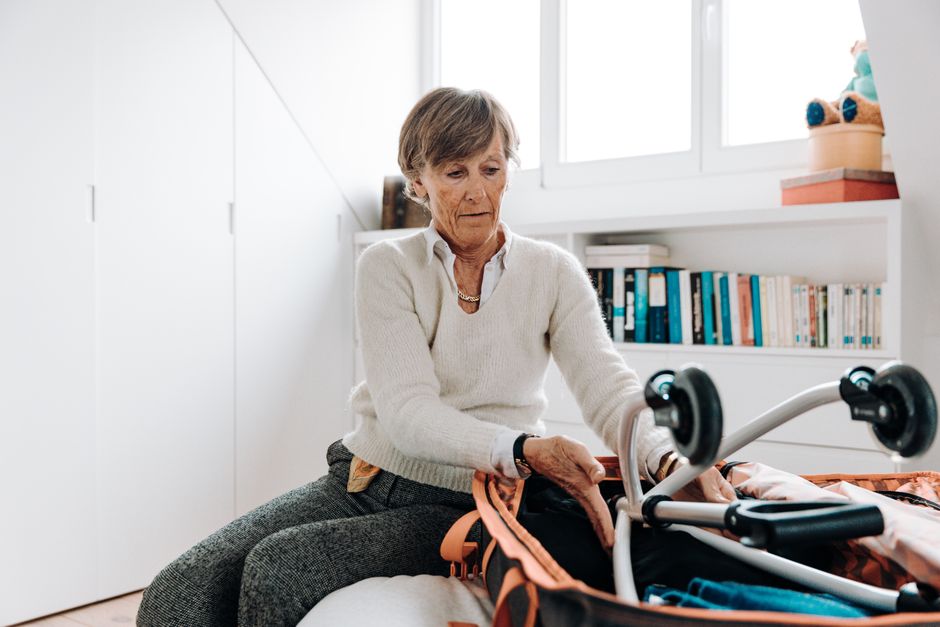
Moving from a private home to assisted living can bring relief, uncertainty, and grief at the same time. For residents in Lock Haven, PA, the transition usually involves more than packing belongings: it may include health assessments, medication planning, changes in daily routines, and learning how to feel at home in a new setting.
What happens before admission?
Before move-in, the assisted living residence typically gathers information about the resident’s health, mobility, medications, personal care needs, dietary requirements, and preferences. In Pennsylvania, an initial assessment and support plan are generally completed before admission so the residence can determine which services are appropriate.
Families should prepare a current information packet that includes:
- Medication names, doses, schedules, and prescribing instructions
- Diagnoses, allergies, and recent medical history
- Names and phone numbers for health care providers
- Insurance and emergency contact information
- Mobility equipment or other assistive devices
- Food preferences, restrictions, and daily habits
- Advance directives, powers of attorney, and other important documents
The assessment is not only about limitations. It should also identify what the resident can do independently, what routines matter most, and where assistance is requested rather than required.
How is assisted living different from living at home?
Assisted living usually provides a residential setting with help available for daily activities such as bathing, dressing, grooming, walking, toileting, meals, and medication management. The amount of help varies by resident and may change over time.
A resident may have a private or shared living unit, scheduled meals, common areas, activities, housekeeping, and emergency response systems. However, assisted living is not the same as a hospital or nursing facility. It may not provide continuous skilled nursing care or manage every complex medical condition.
A written support plan should explain the services available and how they will be delivered. Families should read the plan carefully and ask which services are included, which may cost extra, and what happens if the resident’s needs increase.
What should be brought to the new residence?
The goal is to create a familiar, manageable living space rather than recreate the entire former home. Too many belongings can create clutter and make it harder to move safely.
Useful items often include:
- Comfortable, easy-to-label clothing
- Familiar bedding, photographs, artwork, or a favorite chair
- A clock and calendar with large, readable numbers
- A small selection of books, music, or hobbies
- Non-slip shoes and weather-appropriate outerwear
- Personal toiletries that the resident prefers
- A phone, tablet, or other familiar communication device
For residents accustomed to changing seasons, clothing should account for cold temperatures, wet conditions, and occasional winter travel. Keep heavier items easy to reach, especially if bending, lifting, or climbing stairs is difficult.
Avoid bringing valuable jewelry, large amounts of cash, fragile heirlooms, or furniture that blocks walking paths. Every item should support comfort, identity, safety, or daily use.
What happens with medications?
Medication management is one of the most significant changes after moving from home. Residents may no longer keep medications in a kitchen cabinet or take them without oversight. The residence may store, organize, and administer medications according to its policies and the resident’s support plan.
Bring medications in their original labeled containers unless the residence gives different written instructions. Include over-the-counter products, vitamins, eye drops, creams, and as-needed medications. Do not assume that an item used occasionally can be left in the room.
A medication review may reveal duplicate drugs, outdated prescriptions, or medicines that should be taken at different times. Changes should be handled through the appropriate prescriber or licensed health care professional rather than made informally by family members.
What is the first week usually like?
The first several days may feel tiring and confusing. A resident is learning the layout, meal schedule, bathroom location, call system, staff routines, and names of other people. Sleep may change, and some residents become quieter or more emotional than usual.
A predictable routine can make the adjustment easier. Families can help by:
- Visiting at calm, consistent times
- Bringing familiar objects gradually
- Writing down questions instead of trying to solve everything at once
- Encouraging participation without pressuring the resident
- Keeping conversations focused on comfort and daily experience
- Avoiding frequent changes to the room during the first few days
Some residents settle quickly. Others need several weeks before the new setting feels familiar. Temporary frustration does not automatically mean the move was a mistake.
How can family preserve independence?
Moving to assisted living does not mean giving up every personal choice. Residents generally retain the right to privacy, dignity, personal possessions, visitors, and participation in decisions affecting their care.
Family members can support independence by asking, “What would you like help with?” instead of taking over automatically. Choices about clothing, meals, activities, bedtime, visitors, and room arrangement can help preserve a sense of control.
It is also useful to distinguish between safety concerns and family preferences. A resident may choose a different schedule or activity than relatives would choose, provided the decision does not create a serious risk.
What questions should be asked about costs and services?
The admission agreement should clearly describe the services provided, payment arrangements, additional charges, discharge procedures, and resident rights. Costs may change if the resident needs more help, additional supplies, transportation, or supplemental health services.
Ask for clear answers to questions such as:
- Which personal care services are included in the regular rate?
- How are changes in care needs evaluated?
- Are medication management and incontinence supplies charged separately?
- What transportation is available for appointments?
- How are missed meals, hospital stays, or temporary absences handled?
- What notice is required before a move or discharge?
- Who should be contacted with a concern?
Written answers are especially useful because families may be managing decisions during a stressful period.
How should weather and emergencies be considered?
Seasonal conditions deserve attention in this area. Winter cold, snow, ice, and reduced daylight can affect outdoor mobility, appointments, and family visits. A resident may need warm layers, properly fitting shoes, and a plan for staying connected when travel is difficult.
Lock Haven also maintains public emergency-preparedness information related to winter weather and flooding. Families should ask how the residence handles power interruptions, severe weather, evacuation, sheltering, emergency communication, and transportation disruptions.
Keep emergency contacts current and make sure the residence knows who can make decisions if a family member cannot be reached immediately.
What if the resident is unhappy after moving?
Discomfort should be taken seriously, but it should also be examined specifically. Ask whether the problem involves pain, poor sleep, loneliness, unfamiliar staff, food, noise, missed medication, difficulty using the bathroom, or fear of falling. Specific concerns are easier to address than a general statement that the resident “hates it.”
Request a review of the support plan if the resident’s needs or preferences have changed. Document repeated concerns, dates, and responses. Pennsylvania residents have rights related to dignity, privacy, possessions, participation in care planning, and complaint procedures.
A transition is more likely to succeed when the resident remains involved, the family communicates respectfully, and concerns are addressed early rather than allowed to accumulate.
